

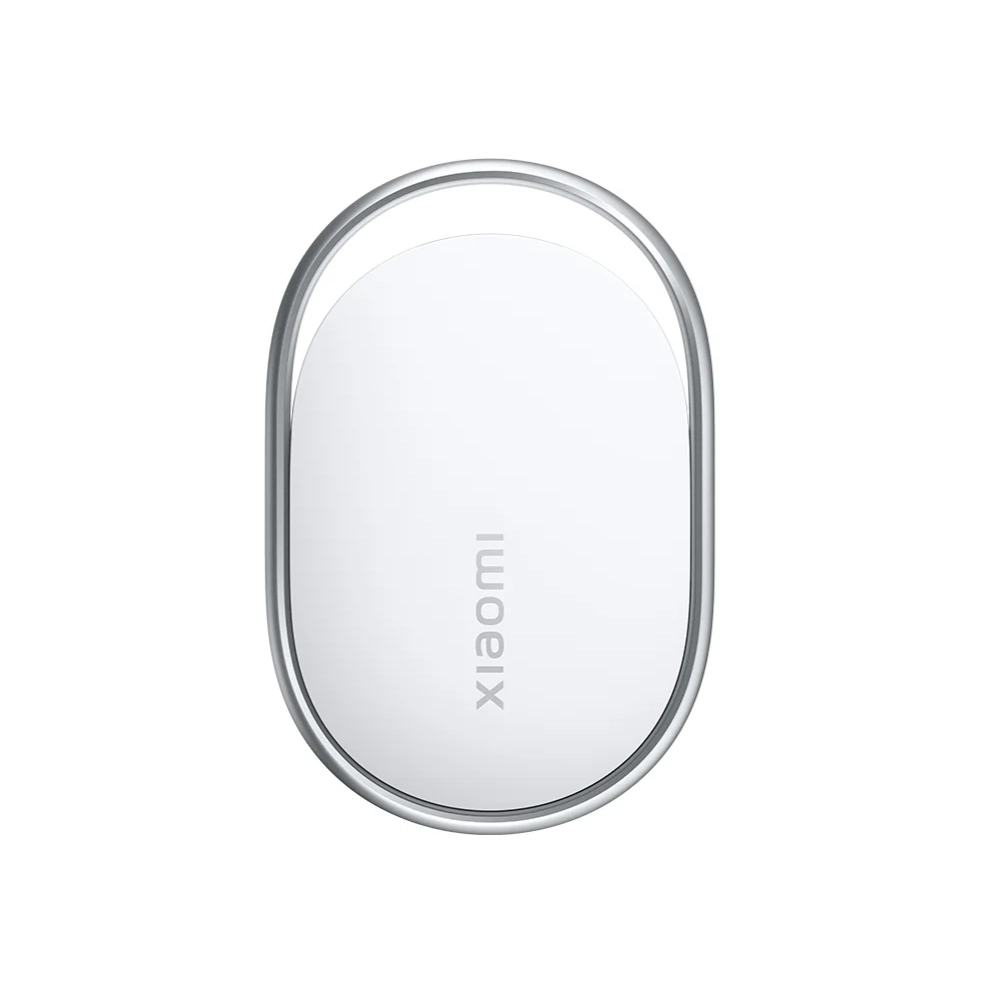
Product details
Xiaomi Tag Price in Kenya
Xiaomi tags are a distinctive feature integrated into various products developed by Xiaomi, a prominent technology company known for its wide range of electronics and smart devices. These tags serve as an innovative solution aimed at enhancing user interaction and providing valuable functionalities across diverse categories, including home appliances, smartphones, and wearables. By incorporating tags, Xiaomi seeks to create a seamless connection between users and their devices, enabling improved tracking and management of personal items.
The primary purpose of Xiaomi tags is to simplify the way users interact with their ecosystem of products. By utilizing technology such as Bluetooth and NFC (Near Field Communication), these tags enable users to track the location of their belongings, such as keys, wallets, or even pets, directly through their smartphones. This feature not only enhances convenience but also aligns with Xiaomi’s commitment to a smarter and more connected lifestyle.
In addition to basic tracking capabilities, Xiaomi tags often come equipped with additional functionalities. For instance, some models may feature sound alerts when items are out of range, while others may include built-in sensors to measure environmental factors. These innovations underline the significant role that tags play in enhancing the overall user experience. Furthermore, tags contribute to the broader concept of the Internet of Things (IoT), where everyday items are interconnected to streamline and automate various tasks in daily life.
In conclusion, Xiaomi tags exemplify the company’s forward-thinking approach to technology. By integrating these innovative tools into their product range, Xiaomi not only addresses common user needs but also enriches their technological ecosystem, ultimately fostering a more intuitive and efficient user experience.
Xiaomi Tags incorporate advanced technologies that enhance their functionality and user experience. These tags primarily utilize Radio Frequency Identification (RFID) and Near Field Communication (NFC), both of which play crucial roles in how these devices operate. RFID technology allows for the wireless transfer of information between a tag and a reader, which facilitates quick identification and tracking. The tags can be embedded in various Xiaomi products, enabling users to locate their items efficiently.
NFC, on the other hand, is designed for short-range communication and adds a layer of convenience. Xiaomi Tags equipped with NFC technology enable users to connect with their smartphones simply by bringing the device close to the tag. This seamless interaction exemplifies the commitment of Xiaomi to integrating technology that simplifies daily tasks, making it easier for customers to access vital information about their belongings.
Moreover, the integration of these technologies within Xiaomi’s ecosystem allows for enhanced interconnectivity between devices. Xiaomi Tags communicate effectively with a range of other Xiaomi products, such as smartphones, wearables, and smart home devices. This network of connectivity ensures that users can manage their devices conveniently and efficiently through a centralized application. Continuous advancements in RFID and NFC technologies contribute to refining the performance of these tags, making them more reliable and user-friendly.
As Xiaomi continues to innovate, the growing sophistication of tag technology will likely lead to new features and enhancements that will benefit users significantly. In essence, the technology behind Xiaomi Tags reflects the company’s dedication to providing practical, user-centered solutions that meet the evolving needs of consumers, ultimately supporting a more connected and efficient lifestyle.
Applications of Xiaomi Tags
Xiaomi tags have become integral components in various products offered by the company, enhancing user experience across its diverse ecosystem. These tags primarily find applications in wearables, smart home devices, and smartphones, allowing for seamless interaction and improved functionality.
In the realm of wearables, Xiaomi tags are employed in devices such as the Mi Band, where they facilitate health tracking features. For instance, the tags aid in syncing data with the user’s smartphone, providing detailed insights into fitness metrics and sleep patterns. This effectively transforms a simple fitness tracker into a comprehensive health monitor, promoting a healthier lifestyle through informed decision-making.
Smart home devices also leverage the capabilities of Xiaomi tags significantly. Products like the Xiaomi Mi Smart Home Hub utilize these tags for efficient connectivity between multiple devices. Users can create customized automation scenarios, such as arranging lights to turn on when a user enters a room or setting the thermostat to adjust based on detected occupancy. This interconnectedness not only simplifies user experience but also optimizes energy consumption in the household.
When it comes to smartphones, Xiaomi tags play a crucial role in maintaining track of device security and personal belongings. The Mi Tags, for example, can be attached to keys, wallets, or bags, allowing users to locate misplaced items via a smartphone application. Such functionality not only saves time but also mitigates the anxiety of losing essential items.
By integrating Xiaomi tags across different product categories, the company enhances the interconnectedness and intelligence of its devices, ultimately providing users with a more holistic and efficient experience. The applications of these tags showcase their versatility and importance in modern technology, positioning Xiaomi as a leader in innovative solutions in the smart device market.
Setting Up and Using Xiaomi Tags
Setting up and using Xiaomi Tags can significantly enhance your experience with Xiaomi’s ecosystem of devices. The setup process is straightforward and aims to connect the tags effectively with your compatible devices, most typically through the Mi Home app.
To begin, ensure that you have the Mi Home app installed on your smartphone. This app is available for both Android and iOS devices. Once installed, open the app and sign in or create a Xiaomi account if you are a new user. It is essential to have a stable internet connection throughout this process.
Next, prepare your Xiaomi Tag. Remove the battery insulation tab to activate the device. Once activated, open the Mi Home app and navigate to the “Add Device” section. The app will initiate a search for nearby devices. Follow the on-screen prompts to select your Xiaomi Tag from the list of detected devices.
After selecting the tag, you will be prompted to connect it to your home Wi-Fi network. Enter your Wi-Fi credentials and allow the app to establish a connection. In instances where the connection fails, ensure that the tag is within range of your Wi-Fi router and that the network settings are correctly input.
Once connected, you can configure the tag by assigning it specific functions. For instance, you can set it to send notifications when separated from your device, track items, or even activate specific actions on your other connected devices. It is recommended to regularly check for firmware updates within the app to ensure optimal performance.
If you encounter common issues, such as disconnection or unresponsiveness, try resetting the Xiaomi Tag by pressing the reset button on the device until the LED indicator blinks. This step can often resolve connectivity discrepancies.
Utilizing Xiaomi Tags as part of your smart home setup not only enhances organization but also promotes efficiency through seamless integration with other Xiaomi products.
Benefits of Xiaomi Tags for Users
Xiaomi tags have gained significant attention due to their convenience and versatility, enhancing the daily lives of users. One of the primary benefits of using Xiaomi tags is their ability to provide real-time tracking. Users can easily attach these tags to personal items such as keys, wallets, or bags, ensuring that they can locate them quickly if misplaced. This feature reduces the stress often associated with lost belongings, making everyday life more manageable.
Improved connectivity is another notable advantage. Xiaomi tags operate seamlessly with the Mi Home app, allowing users to connect multiple devices effortlessly. This interconnectedness contributes to a more integrated smart home experience, where users can monitor and control various appliances and gadgets from a single platform. The tags use Bluetooth technology to maintain a stable connection, ensuring reliable performance over time.
Enhanced security features are also a significant benefit of Xiaomi tags. By enabling users to set virtual boundaries for their belongings, they receive instant notifications if an item moves beyond a specified range. This proactive alert system not only helps prevent loss but also serves as a useful deterrent against theft. Moreover, many Xiaomi tags are equipped with an alarming function, which can be activated through the connected app, adding an extra layer of protection.
Finally, Xiaomi tags contribute to a smarter lifestyle for users. Their integration with smart assistant devices allows for voice commands, enhancing user experience and convenience. The ability to control other smart home devices via Xiaomi tags helps streamline day-to-day tasks, promoting efficiency and ease. Consequently, integrating Xiaomi tags into daily routines can foster a more organized and tech-savvy lifestyle, ultimately simplifying users’ lives.
Comparative Analysis: Xiaomi Tags vs. Competitors
Xiaomi tags have emerged as a formidable player in the tracking device market, standing out amongst various competitors such as Tile, Apple AirTag, and Samsung Galaxy SmartTag. Each of these products offers unique features catering to different consumer needs; however, Xiaomi tags present a strong value proposition that merits detailed examination.
One notable strength of Xiaomi tags is their affordability. Priced competitively, Xiaomi tags provide a budget-friendly alternative without compromising essential features, such as connectivity range and battery life. In contrast, products like the Apple AirTag, although popular, come with a premium price tag, which may deter potential budget-conscious consumers. Additionally, while the tracking features of the Apple AirTag are advanced, especially with the ultra-wideband technology, Xiaomi tags offer sufficient capabilities for everyday users seeking straightforward tracking solutions.
Furthermore, Xiaomi tags integrate seamlessly with the Xiaomi ecosystem, allowing users who own other Xiaomi devices to enhance their overall utility and functionality. In terms of user interface, the Xiaomi companion app is generally praised for its simplicity and ease of use, although it may not boast the comprehensive feature set found in applications provided by competitors like Tile. Tile’s app offers extensive community features which can assist in locating lost items more effectively, but this comes at the cost of requiring subscription services for premium functionalities.
On the other hand, the compact design and diverse color options of Xiaomi tags appeal to the style-conscious consumer, while competitors like Samsung Galaxy SmartTag focus more on integration with smart home products. In conclusion, while all these tracking devices cater to specific market needs, Xiaomi tags emerge as a competitive option due to their affordability, basic functionality, and compatibility within the Xiaomi ecosystem, making them a reliable choice for budget-oriented consumers.
User Experiences and Testimonials
User experiences with Xiaomi tags reveal a diverse range of opinions that reflect both their strengths and areas for improvement. Many users appreciate the tags for their compact design and versatility. These tags can easily be attached to various items, including keys, backpacks, and even pets, making them an ideal solution for individuals prone to misplacing belongings.
Positive testimonials often highlight Xiaomi tags’ impressive connectivity features. Users report that the tags maintain a stable connection to their smartphones, facilitating seamless tracking through Xiaomi’s dedicated app. This functionality is particularly lauded for its accuracy, allowing users to pinpoint the location of their belongings within a reasonable distance. Additionally, the user-friendly interface of the accompanying app has been noted as a significant advantage, enabling quick access to location history and real-time tracking.
However, not all feedback is entirely favorable. Some users have pointed out range limitations, stating that the tags can only be reliably used within a certain distance from the connected smartphone. This can be a drawback for individuals who wish to track items over longer distances. Furthermore, a few users have expressed concerns regarding battery life, indicating that the tags require frequent charging or battery replacement, which can be inconvenient.
Moreover, while many appreciate the affordable price point of Xiaomi tags, others believe that certain features could be enhanced further, such as the durability of the tags under various environmental conditions. Despite these criticisms, the majority of users still recommend Xiaomi tags due to their overall convenience and functionality. These experiences provide valuable insights for potential buyers, helping them to make informed decisions about including Xiaomi tags in their daily lives.
Future of Xiaomi Tags and Technology Developments
The future of Xiaomi tags appears promising as the company continues to invest in innovation and enhance user functionalities. With the rise of the Internet of Things (IoT) and smart technology, Xiaomi aims to integrate its tagging devices with an ever-expanding ecosystem. This means that future iterations of Xiaomi tags will likely feature improved connectivity options, such as seamless integration with smart home devices, allowing users to track their belongings more efficiently.
One notable area of development is the anticipated advancement in location accuracy. By leveraging technologies such as ultra-wideband (UWB) and enhanced GPS capabilities, Xiaomi tags are expected to provide users with precise tracking overlays. This advancement could offer significant improvements over existing systems, which may face limitations in indoor environments. The ability to locate items with exceptional accuracy will be especially beneficial for users with a high volume of possessions.
Furthermore, Xiaomi is investing in artificial intelligence (AI) to enhance the functionality of its tags. Future devices could potentially analyze user behavior and preferences over time, allowing for personalized alerts and recommendations. For example, when a user frequently misplaces a certain item, the Xiaomi tag system could proactively notify the user when it moves out of a designated area.
Additionally, as privacy concerns rise among consumers, Xiaomi is likely to prioritize security features in its tags. End-to-end encryption, anonymized tracking data, and improved user control over location-sharing settings will enhance user trust in Xiaomi’s technology. As these innovations unfold, we can expect Xiaomi to solidify itself as a leader in the tag market, showcasing its commitment to quality, functionality, and user-centric design.
Conclusion
In conclusion, Xiaomi tags have emerged as a fundamental innovation within the realm of smart technology, offering a blend of convenience, efficiency, and connectivity. Throughout this guide, we have explored the various functionalities and benefits of Xiaomi tags, including their ability to enhance tracking capabilities and simplify everyday tasks. The seamless integration with Xiaomi’s smart ecosystem makes these devices not just accessories but essential tools for improving daily life.
Moreover, we discussed how the use of Xiaomi tags extends beyond mere convenience; they embody an approach to smarter living. These tags provide users with peace of mind, knowing that their belongings are easily tracked and managed, thereby limiting the stress often associated with misplacing items. The versatility of these tags adds significant value, whether in personal organization, security, or enhancing the functionality of other smart devices in the home.
As we reflect on the impact of Xiaomi tags, it is evident that they hold a crucial place in the broader context of smart technological advancements. Their affordability and user-friendly integration serve to demystify technology for a wider audience, promoting a culture of connectivity and efficiency. We encourage readers to delve deeper into Xiaomi’s offerings, exploring how these tags can elevate their personal organization and everyday living.
Ultimately, your experience with Xiaomi tags matters. We invite you to share your insights, stories, and any tips on how you utilize these innovative tags in your day-to-day life. Engaging with the Xiaomi community can enhance collective knowledge and provide further inspiration for optimizing the use of smart technology in our routines.








There are no reviews yet.